


Whether you own a sprawling suburban home in Sydney, a compact terrace in Melbourne, or a coastal retreat in Queensland, finding the right home improvement ideas in Australia can significantly boost both your lifestyle and your property’s value. With construction costs shifting and new design trends emerging in 2026, Australian homeowners are smarter than ever about where they invest their renovation dollars. This comprehensive guide covers the best upgrades for every budget from quick weekend wins under $500 to full-scale transformations so you can make informed decisions that deliver real returns.
Why Home Improvement in Australia Is Worth the Investment in 2026
The Australian property market continues to reward well-maintained and thoughtfully upgraded homes. According to industry data, strategic renovations can add between 5% and 15% to a property’s resale value — and in high-demand suburbs, the return can be even greater. Beyond resale, home improvements in Australia also respond to the country’s unique climate, lifestyle, and energy-efficiency standards.
In 2026, key drivers of renovation activity include rising energy costs (pushing demand for solar and insulation upgrades), the shift toward indoor-outdoor living, and the growing popularity of sustainable materials. Australians are also investing in home offices, smart home technology, and low-maintenance gardens as lifestyle priorities evolve after years of hybrid work becoming the norm.
Understanding your budget before you begin is essential. Home improvement projects in Australia generally fall into three tiers: budget upgrades ($200–$2,000), mid-range renovations ($2,000–$20,000), and premium transformations ($20,000+). The right tier for you depends on your goals, your timeline, and the current condition of your home.
Budget-Friendly Home Improvement Ideas Under $2,000
You don’t need a massive budget to make a meaningful difference. Some of the best home improvement ideas for Australian homeowners are surprisingly affordable and deliver outsized visual impact.
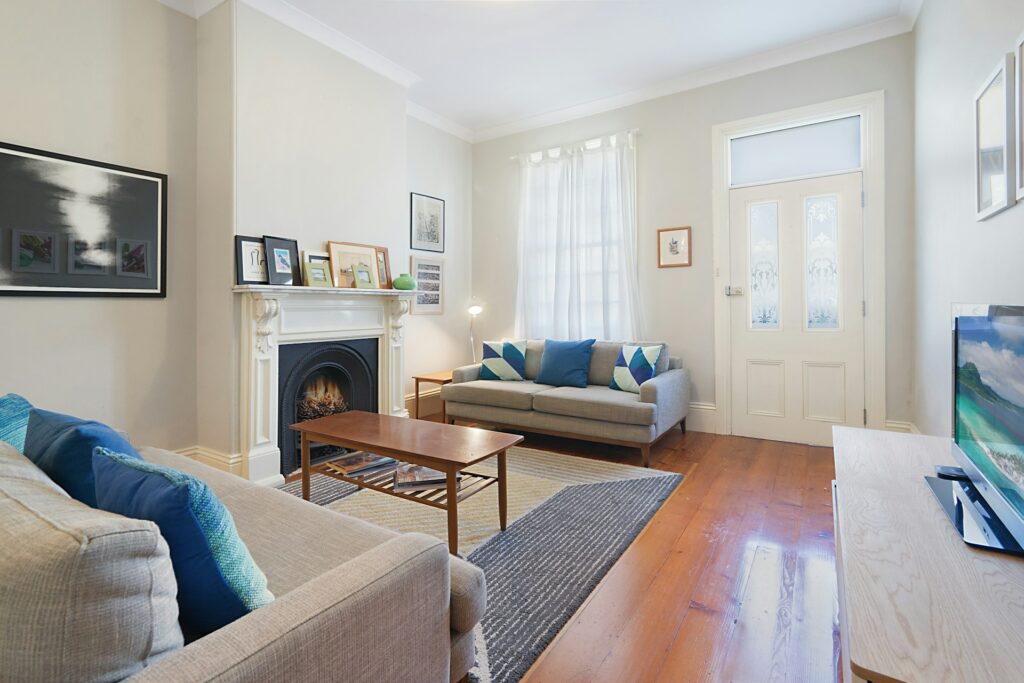
Fresh paint is consistently ranked as the highest-ROI home improvement available. A professional interior repaint using quality low-VOC paints (essential for Australia’s warm, ventilated homes) typically costs $800–$1,500 for an average-sized home and instantly modernises any space. Opt for warm neutral tones like soft whites, greige, and sage green — colours that resonate with Australian design sensibilities in 2026.
Updating door hardware, tapware, and light fittings is another cost-effective improvement. Swapping outdated brass handles for matte black or brushed nickel finishes throughout the home can cost as little as $300–$600 and creates a cohesive, contemporary feel. Similarly, replacing old fluorescent lighting with LED downlights improves both aesthetics and energy efficiency — a particularly smart move given Australia’s electricity prices.
Landscaping the front garden, adding mulch, trimming hedges, and installing solar path lights are among the best low-cost home improvement ideas in Australia for boosting street appeal. A well-presented front yard can increase perceived property value by thousands of dollars for an outlay of just a few hundred.
Mid-Range Upgrades: Kitchen and Bathroom Renovations That Add Value
If you have between $2,000 and $20,000 to invest, kitchen and bathroom renovations represent some of the highest-value home improvement projects for Australian homeowners. These are the rooms buyers and valuers scrutinise most closely, and outdated kitchens or bathrooms can significantly suppress a property’s appeal.
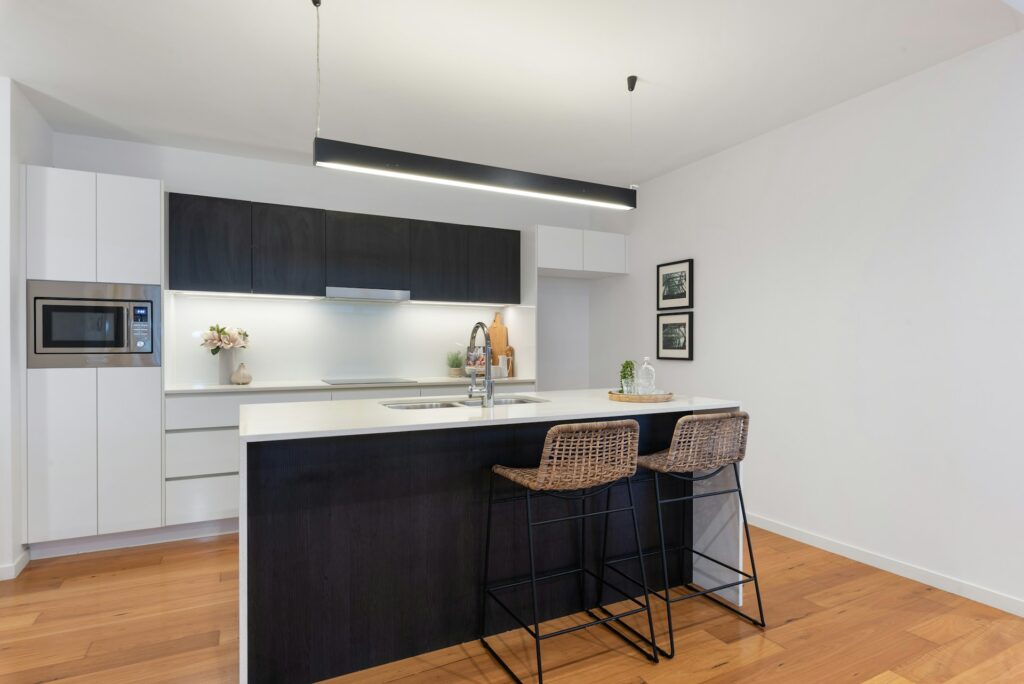
A kitchen refresh — replacing cabinet doors and drawer fronts, updating benchtops to engineered stone, and installing a new splashback — typically costs $4,000–$10,000 and can transform the entire feel of the home without a full structural renovation. Stone benchtops remain a top home improvement trend in Australia for 2026, offering durability that suits both everyday family cooking and the Australian indoor-outdoor entertaining lifestyle.
Bathroom upgrades that deliver strong returns include replacing vanities, re-grouting tiles, installing a frameless shower screen, and upgrading to a rail shower or ceiling rose for a luxurious feel. A mid-range bathroom renovation in Australia typically costs $5,000–$15,000 and is one of the best ways to improve both liveability and resale appeal. For homes with a single bathroom, upgrading to an ensuite — even a compact one — can be transformative for family functionality and buyer appeal.
Energy-Efficient Home Improvements for Australian Homeowners
Energy efficiency is one of the most compelling and practical home improvement areas for Australians in 2026. With electricity prices remaining elevated and climate awareness growing, upgrades that reduce energy consumption deliver both monthly savings and long-term value.
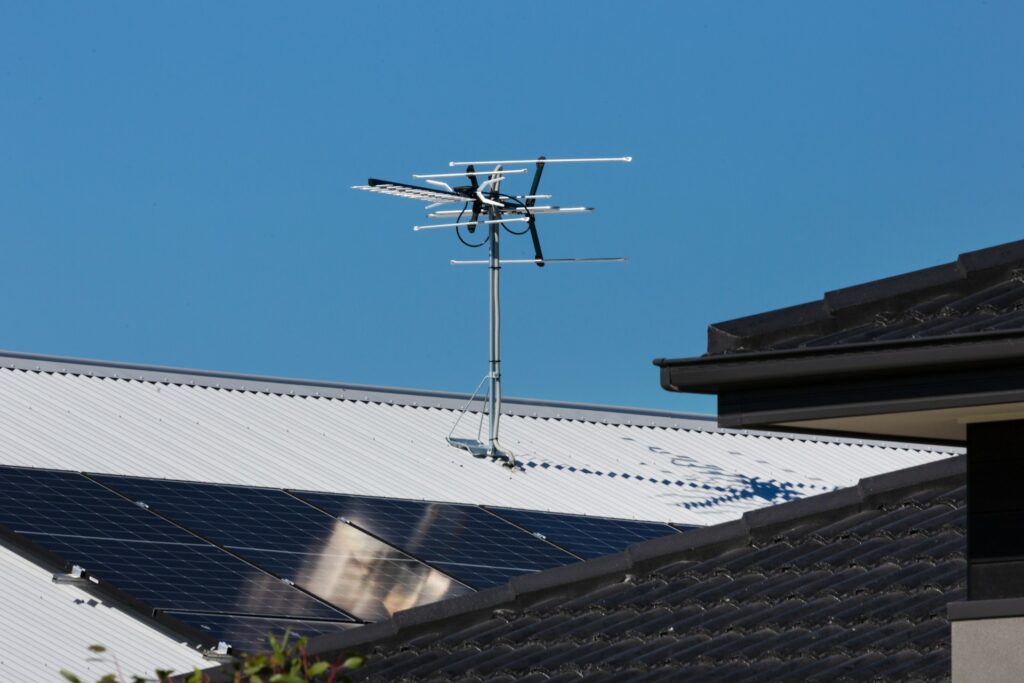
Solar panel installation remains one of the most popular home improvement investments in Australia. A 6.6kW solar system — sufficient for an average Australian household — costs approximately $5,000–$8,000 after government rebates and can reduce electricity bills by 50–80%. Adding a battery storage system (typically $8,000–$14,000) allows homeowners to store excess solar energy for use at night, further maximising savings.
Insulation is often overlooked but is one of the most cost-effective home improvements available in Australia. Ceiling insulation (R4.0 or higher, as recommended for most Australian climate zones) typically costs $1,500–$3,000 installed and can reduce heating and cooling costs by up to 40%. Double-glazed windows are another premium energy upgrade worth considering, particularly in Melbourne, Canberra, and other cooler-climate regions.
Premium Home Transformation: Indoor-Outdoor Living and Extensions
For homeowners with a larger budget, the most impactful home improvement projects in Australia involve creating or enhancing indoor-outdoor living spaces — a hallmark of the Australian lifestyle. Alfresco areas, deck extensions, and open-plan kitchen-to-garden connections are consistently among the highest-valued improvements in the local property market.
A quality timber or composite deck with a pergola or Colorbond roofing typically costs $15,000–$35,000 depending on size and materials. When designed to connect the indoor living space with the backyard, this upgrade adds significant functional square meterage to the home and is enormously popular with Australian families. Incorporating an outdoor kitchen — with a built-in BBQ, sink, and storage — elevates the space further and can add $20,000–$50,000 in perceived value in premium suburbs.
Home extensions — adding a bedroom, expanding a living area, or building a granny flat — represent the highest tier of home improvement investment in Australia. A granny flat, in particular, has become one of the most strategically sound improvements for Australian property owners in 2026, offering rental income potential of $300–$600 per week in metropolitan areas while increasing total property value significantly.
Smart Home Technology: The Home Improvement Trend Shaping Australian Homes in 2026
Smart home technology has moved firmly into the mainstream of Australian home improvement in 2026. From automated lighting and climate control to smart security systems and voice-activated appliances, these upgrades improve daily comfort, reduce energy consumption, and appeal strongly to buyers — particularly younger demographics.
A starter smart home package — including a smart thermostat, smart lighting throughout the main living areas, video doorbell, and smart lock — typically costs $1,500–$3,500 for an Australian home and can be installed progressively. Brands with strong Australian support networks, compatibility with local electrical standards, and reliable connectivity in both metropolitan and regional areas are worth prioritising.
For a whole-home smart upgrade, integrating a centralised home automation hub that controls lighting, blinds, security, heating and cooling, and entertainment can cost $8,000–$20,000 installed by a certified smart home integrator. This level of investment is particularly suited to newly built homes, significant renovations, or high-value properties where premium buyer expectations are higher.
Whether you are working with $500 or $500,000, the best home improvement ideas in Australia share a common thread: they enhance liveability, reduce ongoing costs, and contribute to long-term property value. By aligning your upgrades with your budget, your climate zone, and your lifestyle goals, you can make 2026 the year your home truly works for you.
Tags: home improvement ideas Australia, best home upgrades 2026, Australian renovation guide, kitchen renovation Australia, solar panel installation Australia, smart home Australia, budget home improvements, energy efficient homes Australia, outdoor living renovation, home extension Australia