


Why Summer Is the Best Time to Grow Vegetables
Ask any home gardener about their favourite season and most will say summer without hesitation. The long warm days, the reliable sunshine, and the rapid growth rates make summer the most productive and rewarding time of year to grow your own food.
In Australia, summer vegetable gardening runs roughly from September through to March, with peak planting windows varying by climate zone. This guide covers the 15 best summer vegetables to grow for Australian home gardeners, with planting advice, care tips, and honest guidance on what grows easily.
The 15 Best Summer Vegetables to Grow in Australia
1. Tomatoes The Summer Staple
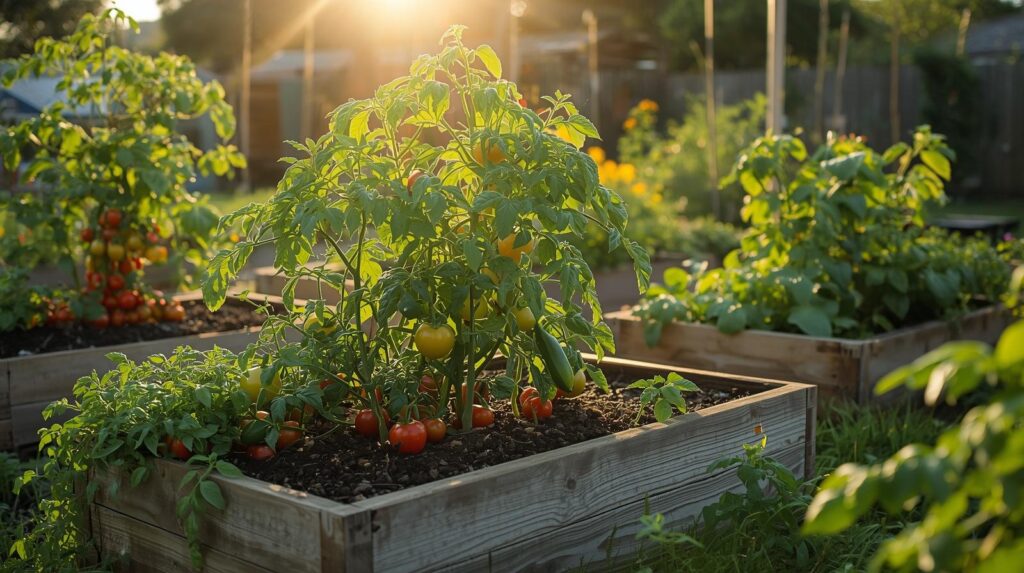
No list of summer vegetables to grow is complete without tomatoes. When grown well, they produce harvests that bear zero resemblance to the pale, flavourless fruit sold in supermarkets.
- Best varieties: Tommy Toe (cherry), Grosse Lisse (large slicing), Roma (sauce)
- Planting time: September November
- Care: Plant deeply, water consistently, stake early, feed fortnightly with potassium-rich fertiliser once flowering begins
- Time to harvest: 10–14 weeks
2. Zucchini Prolific and Easy
Zucchini is possibly the most productive summer vegetable you can grow. One or two well-cared-for plants will produce more than most families can eat. Harvest fruits when they are 15–20 cm long left longer, they become bitter and the plant slows production.
3. Cucumbers Fast and Refreshing
Cucumbers are rapid growers that love the heat often ready in just 7–8 weeks. Best varieties: Lebanese cucumber, telegraph cucumber, apple cucumber. Train up a trellis to save space and improve air circulation.
4. Capsicum (Bell Pepper)
Capsicums love heat and are perfect for Australian summers. Start seedlings in September for best results. Mulch heavily to retain moisture. Time to harvest: 14–18 weeks.
5. Beans Bush and Climbing
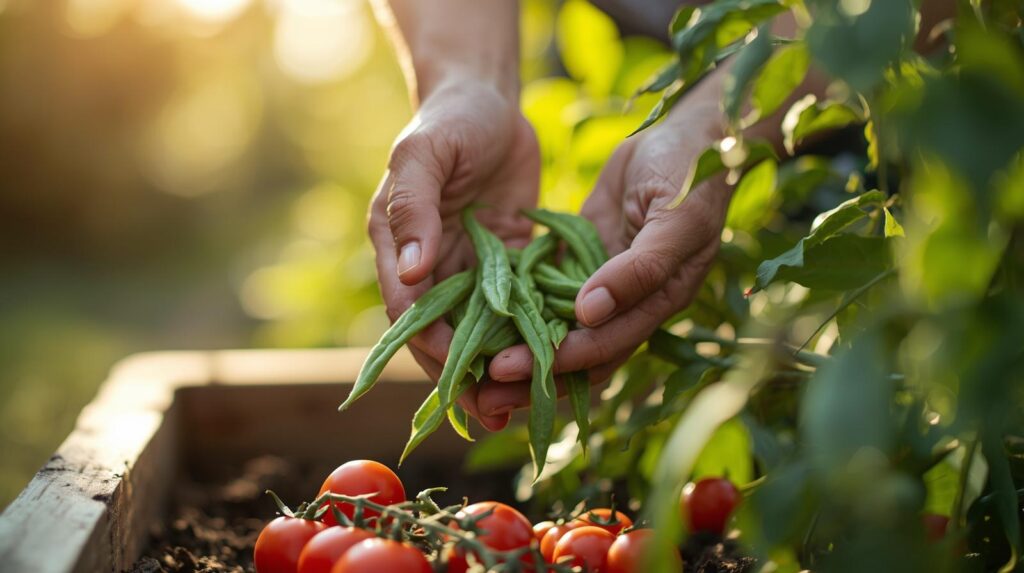
Both bush beans and climbing beans germinate quickly (5–7 days), produce abundantly, and fix nitrogen in the soil. Sow directly into warm soil beans dislike transplanting. Pick regularly to keep plants producing.
6. Eggplant (Aubergine)
Eggplant is a genuine heat-lover that rewards patient gardeners with glossy, beautiful fruit perfect for ratatouille, baba ghanoush, and grilling. Needs warm nights as well as warm days plant after the last cold snap.
7. Pumpkin Worth the Space
Pumpkins take up significant room but reward that generosity with large, long-storing fruit. Best varieties: Butternut, Queensland Blue, Jap/Kent. Train the sprawling vines along the ground or up a strong trellis.
8. Corn The Family Favourite
Sweet corn tastes dramatically better when eaten within hours of harvest. Plant in blocks of at least 4×4 plants (not single rows) to ensure wind pollination and good cob development. Allow 30 cm between plants. Time to harvest: 10–12 weeks.
9. Basil The Essential Summer Herb
No summer vegetable garden feels complete without basil. It loves heat, pairs perfectly with tomatoes, and deters some common pests. Pinch flower heads as they form to keep leaves producing.
10. Chillies For the Heat-Lovers
Chillies thrive in hot conditions and produce all summer and into autumn. Best beginner varieties: Cayenne, jalapeño, long red chilli. Grow in pots if space is limited.
11–15: More Great Summer Vegetables
- Sweet Potato: Plant slips in spring, let them sprawl as living ground cover, harvest in autumn. Almost no maintenance required.
- Radishes: Ready to eat in just 3–4 weeks. Perfect for filling gaps and keeping children engaged.
- Silverbeet and Chard: Hardy, heat-tolerant leafy greens that produce all summer long.
- Spring Onions: Ready in 8–10 weeks, can be grown in a pot on a sunny balcony.
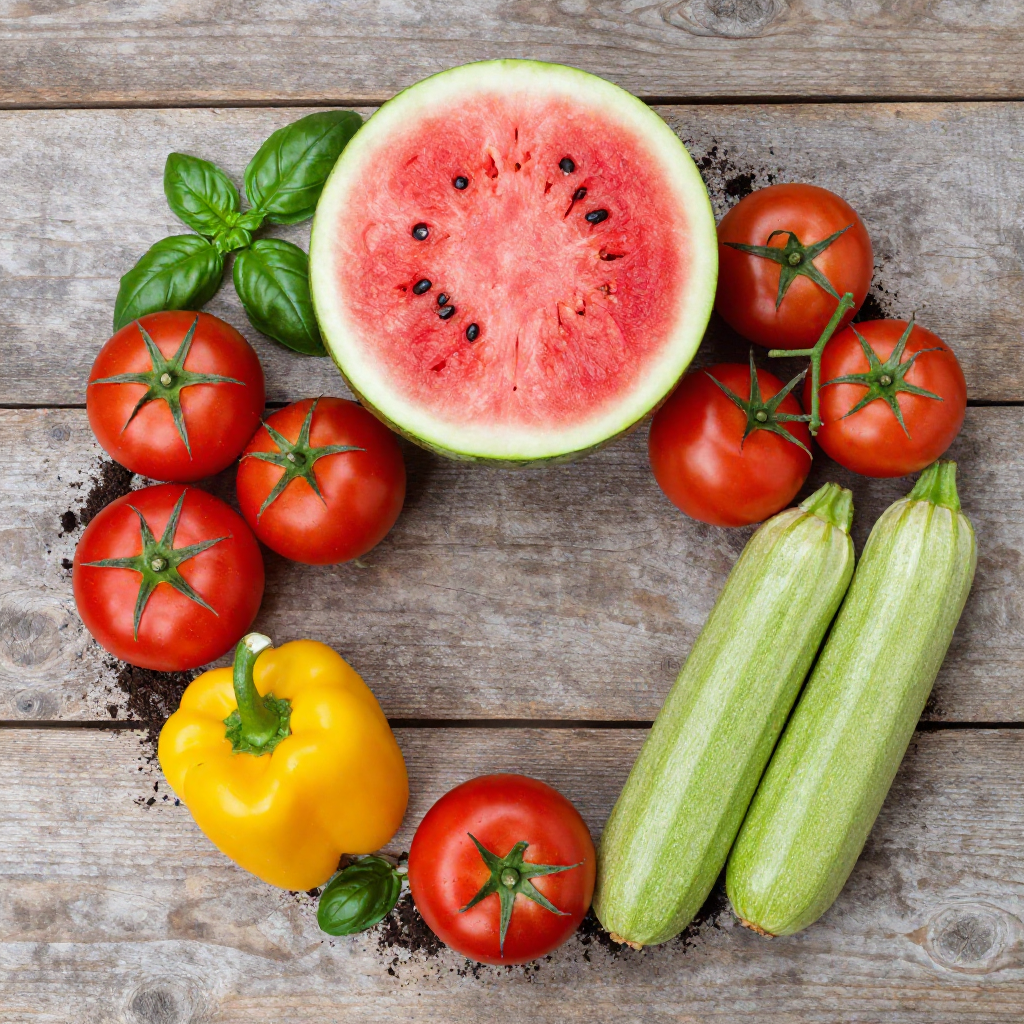
- Rockmelon and Watermelon: Nothing says Australian summer like a cold watermelon. Allow 12–16 weeks and full sun.
Top Tips for a Productive Summer Vegetable Garden
- Water deeply and less frequently: deep watering encourages deep root systems that are more drought-tolerant.
- Mulch generously: a 7–10 cm layer of sugar cane mulch reduces watering frequency by up to 70%.
- Feed every two weeks: summer vegetables are heavy feeders; liquid fertiliser keeps growth vigorous.
- Harvest regularly: most summer vegetables stop producing when they sense mature, seed-ready fruit on the vine.
- Companion plant: grow basil with tomatoes, beans with corn and pumpkin, and marigolds throughout to deter pests.
Conclusion
The summer vegetables to grow in your garden don’t need to be complicated start with tomatoes, zucchini, and beans if you’re a beginner, and expand each season as your confidence grows. The satisfaction of serving dinner from your own backyard is one that no shop can replicate.